
Prim, Proper, and Nasty as Hell
Puttering in the garden and stealing your grandchild

Hello!
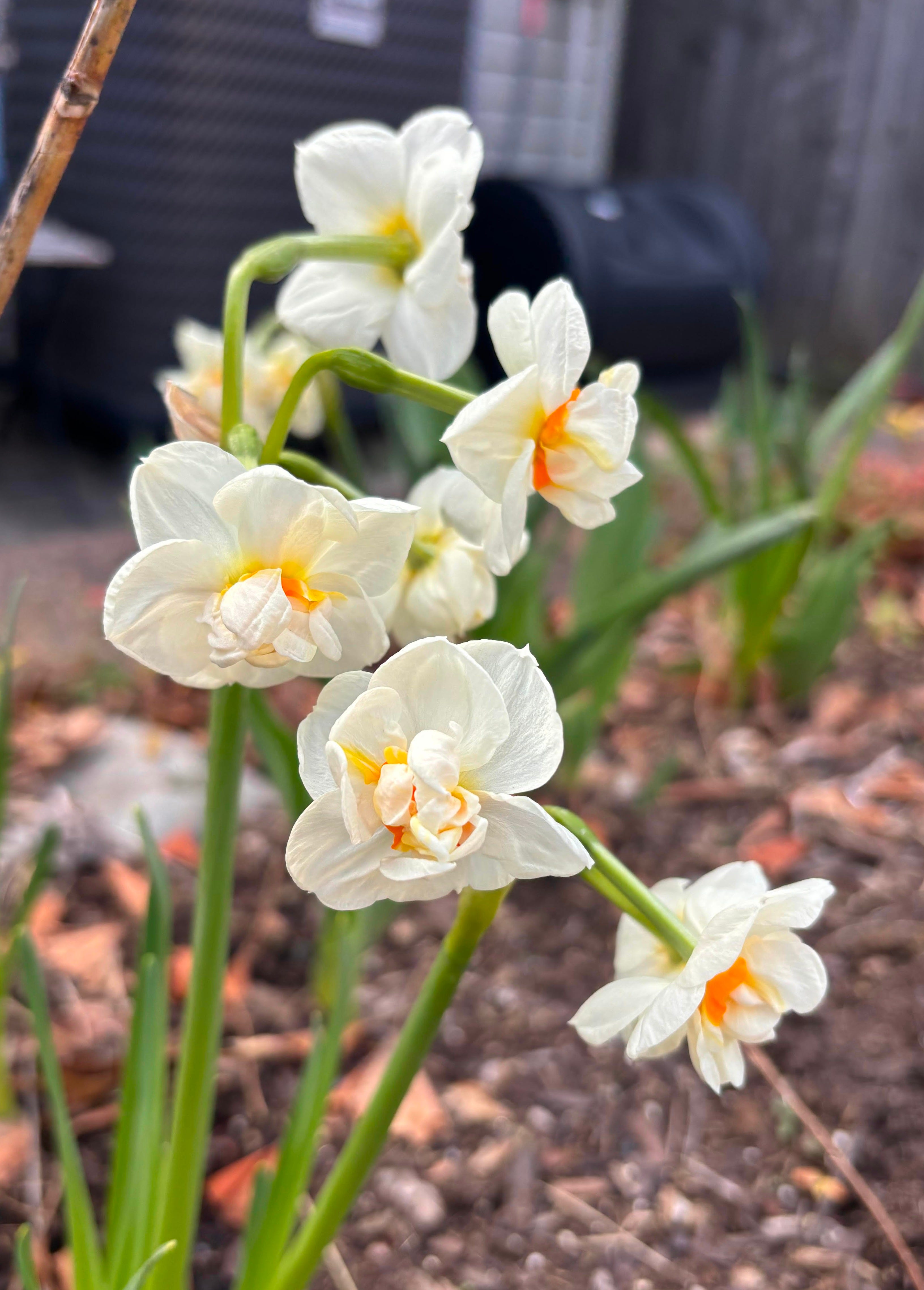
I’ve never been happier that it’s spring. D.C. simply got too much snow this year. I’m essentially cold-blooded, and I need my time in the sun. My ideal forms of springtime Vitamin D manufacture are Nice English Lady activities: fussing in my garden, bracing walks, maybe a picnic. It seems apt, then, to have this be the month of (Not So) Nice English Ladies.
I’m not a Wuthering Heights girl. I am, frankly, not a Brontë girl—or, for that matter, an Austen one. Neither a truly gothic novel nor a true comedy of manners does it for me. What I love, though, is a book with a little bit of both; a novel whose characters behave faultlessly to cover gothically miserable inner experiences, or whose beautiful aristocratic lives are sliding into unacknowledged and irreversible decay. I like literature with edges honed so sharp they’re invisible, and the writers who do that best, to my mind, are a group (I use this term loosely) of modern and contemporary English women, including but by no means limited to Diana Athill, Susie Boyt, Elizabeth Jane Howard, and the true queen of my heart, Iris Murdoch.
Years ago, in a review of Diana Athill’s novel Don’t Look at Me Like That, I described these writers as like “sea urchins: spiky outside, soft within.” The same is true of all these authors, who mix vulnerability and empathy (not so rare) with a real understanding of and comfort with human nastiness (extremely rare!). Athill sets herself apart with her comprehension of decay. She channeled a lifetime of ferocious independence into books that treat loss, depression, isolation, and, most of all, mortality as nuisances on the level of the carpenter bees in my backyard. They buzz around threateningly, yes, but what are you going to do, not go outside?
I love Don’t Look at Me Like That, which is Athill’s only novel, but, despite my general skepticism of memoirs, I have to send you to hers. Start with Stet, her crisply detailed account of her working life, then move on to the multivolume personal-life memoirs that begin with Instead of a Letter.
